Removal Company Hampstead

Our removal company in Hampstead provides organised home and business moving services for people who want a careful, practical move handled with the right equipment and a clear plan. We manage removals of different sizes, from single-item transport through to full-property moves, and we can also support packing, loading, furniture handling and secure transport. The aim is straightforward: keep your move orderly, protect your belongings, and make each stage easier to manage.
Choosing a removal service is often about more than a van. You need a team that can work around access, stairs, parking, bulky furniture and the timing of other trades or building rules. We offer a flexible removals service that can be shaped around the items you need moved and the level of support you want. If you are planning a local move, relocating further afield or arranging a combination of packing and transport, the service can be matched to the task rather than forcing every job into the same pattern.
If you are ready to make plans, request a quotation and share the main details of your move. A clear enquiry helps us understand the volume, access and timescale involved, so we can prepare a practical response. If you are comparing different options, it is also worth looking at the sections below to see how the service can be tailored.
Home removals planned around your property
House and flat moves need a service that respects the layout of the property as well as the items being moved. We handle house removals for customers who need a careful move from one home to another, with attention to furniture, boxed contents, fragile pieces and access points. The work can include disassembly where appropriate, loading in a sensible order, and unloading in a way that makes the receiving property easier to settle into.
Different homes call for different methods. A top-floor flat, a terraced house with restricted parking, or a property with narrow internal stairs may each need a slightly different moving plan. Where useful, the service can be supported by flat removals for apartment-style moves and by home moves for full domestic relocations that involve more than just transporting boxes. That means the arrangement can stay focused on the actual job rather than a generic package.
Useful information to prepare for a home removal usually includes the main items to be moved, any furniture that needs dismantling, access restrictions, and whether there are special pieces that need extra care. Photos or a simple inventory can help make the quotation process more accurate, and if you have time, noting any awkward items early can reduce avoidable delays on moving day. This is especially helpful when wardrobes, beds, glass, artwork or appliances are part of the load.
Business and specialist moving support

Commercial moves need planning that keeps the process orderly from collection to placement. We provide commercial moves for workplaces that need desks, files, fittings, stock or equipment transferred without unnecessary disruption. The scope can include partial office moves, larger relocations and practical assistance with furniture and boxed items. The emphasis is on clear handling and a route from the old premises to the new one that is easy to follow.
For workplace relocations, timing and sequencing matter. Some businesses need items moved in stages, while others need a single organised move with clear priorities for IT, paperwork and furniture. Our office relocation services and office removals pages cover the type of work involved when desks, chairs, cabinets and other office contents need to be shifted with care. Where the job is smaller or more straightforward, a simple vehicle-and-team arrangement may be enough; larger moves can be planned around the order in which items should arrive.
How the move is organised
Many customers want to know how the day will actually work. A sensible approach is to separate the move into stages: preparation, loading, transport and placement. That allows fragile or frequently used items to be kept accessible, while heavier furniture can be handled after lighter boxes are secure. If packing materials are needed, the work can be coordinated with packing and boxes or with packing and unpacking services so that the transfer of belongings is as orderly as possible.
Furniture, single items and practical transport
Not every job is a full move. Sometimes customers only need one large item collected, delivered or repositioned, and the service should reflect that. We can support furniture removals where sofas, tables, wardrobes or other bulky items need careful handling, and furniture pick-up for items that need collecting from a seller, storage unit or other location. These services are useful when you want organised transport without arranging a full household move.
For flexible collection and delivery, some customers prefer man and van, man with van or man with a van options, depending on the wording they are looking for. These pages represent the same broad style of service: practical loading help, transport, and a vehicle suited to smaller or mid-sized jobs. This can suit furniture transfers, room moves, storage runs or straightforward point-to-point transport where a large removal team is unnecessary.
When you are arranging a smaller move, the most useful details are often the dimensions of the largest item, whether stairs or lifts are involved, and whether the item needs to be dismantled before it can be taken out. Good access information helps with planning the right vehicle and crew size, while clear notes about fragile finishes or awkward routes make it easier to protect the item during loading. If you want to compare transport options, a quotation should make those differences easier to see.
Packing, protection and move preparation

Packing is often what makes a move feel controlled rather than rushed. We support customers who need a little help with wrapping, boxing and organising household contents, and we can also assist with fuller preparation through packing and unpacking services. That can include practical help with rooms that contain many small items, or focused work on fragile belongings that need more than a few boxes and tape.
Good packing is not only about speed. It is about grouping items sensibly, protecting breakables, and making the load easier to unload in the right order. Some customers only need advice on how to prepare the main items before the move, while others prefer the process to be handled for them. If you are planning boxes and materials yourself, the packing and boxes service page can support that stage by making the packing side more structured. If you want a more hands-off approach, unpacking can be arranged to help the new property become usable sooner.
- Separate essentials you will need immediately after arrival.
- Label boxes by room or by contents, not just by size.
- Keep fragile items cushioned and clearly identified.
- Make a note of bulky furniture that may need dismantling.
- Check access at both addresses before the moving date.
Moving routes, vehicle choice and timing
The right transport matters because it affects how the move is loaded, secured and delivered. Some customers need a standard van for a smaller move, while others need a larger vehicle for furniture, boxed contents or business equipment. Our removal van, removal truck hire and moving truck pages reflect the different types of transport that can support a move, depending on how much needs to be carried and how it should be arranged.
Timing is also important, especially when a property handover, building access or business schedule creates a fixed window. For some jobs, a same-day arrangement may be helpful, and where suitable there is a same-day removals option that covers urgent transport needs. That said, not every move should be treated as urgent; sometimes a measured schedule is better because it gives room to pack properly and keep the route clear. The best choice depends on the volume, access and deadline involved.
A practical quotation request usually includes the start and end locations, the type of property at each end, and whether there are any awkward items such as pianos, large wardrobes or delicate furniture. If those details are supplied early, it is easier to match the vehicle and the loading approach to the move. Clarity at the beginning tends to reduce complications later, especially where parking, stairs or time restrictions could affect the day.
About Hampstead
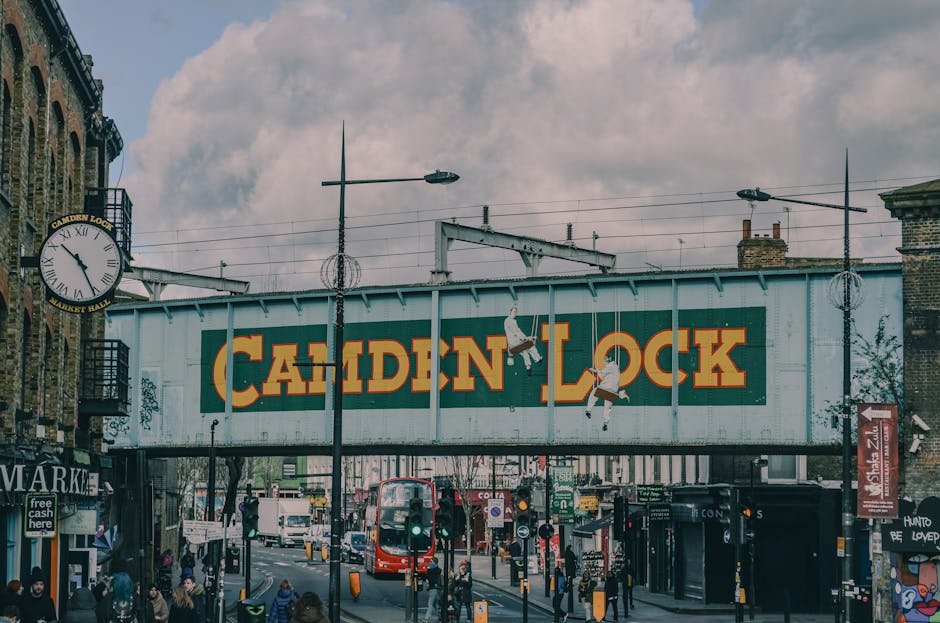
Hampstead is a district in North London known for its village-like centre, wealthy Georgian and Victorian architecture, and association with the open space of Hampstead Heath. Historically part of Middlesex, it developed from a rural settlement into a fashionable suburban area as transport connections improved in the nineteenth century. The neighbourhood’s topography is one of its most distinctive features: streets rise and fall around the Heath, creating steep lanes, hidden gardens and long views that are unusual within inner London. That landscape has shaped both the physical form of the area and the experience of moving through it on foot, by bicycle or by road. The Heath itself is a major draw, with woodland, ponds, grassland and natural features that give the district a strong sense of green space close to the urban centre. Nearby landmarks include Kenwood House on the northern edge of the Heath, with its classical architecture and landscaped grounds, and the attractive streets around Hampstead Village, where independent shops, cafés and period buildings sit side by side. Cultural life has long been part of Hampstead’s identity: writers, artists and musicians have lived there, and its historic houses and institutions reflect that creative legacy. The area is also known for its conservation character, with many listed buildings and carefully maintained streetscapes that preserve a strong sense of place. Even today, Hampstead combines residential calm with public open space, heritage architecture and a compact high street, making it one of London’s best-known and most recognisable districts.
Household contents, storage and larger clearances

Some removals involve more than a straightforward point-to-point move. When you are clearing a property, moving between homes, or dealing with items that will not go straight into the new address, storage and staged transport can be useful. Our storage page supports moves where belongings need to be held safely for a period before delivery. That can help when completion dates, decorating work or access issues mean the move must happen in parts rather than all at once.
For customers who are sorting through furniture and other household contents, removals can cover a broad range of domestic transport needs, while house removalists reflects the kind of assistance often needed when a full property move includes larger items, boxes and personal belongings. If the job is a blend of moving and clearing, the exact scope should be set out clearly so the right support can be arranged and the load can be handled in a suitable order.
Price can be influenced by a few practical factors: the volume of items, the number of loaders needed, access at each end, distance travelled, and whether furniture must be dismantled or reassembled. Where the route is awkward or the move includes multiple stops, it helps to explain that in the quotation request rather than leaving it to be discovered later. You do not need to write a long brief, but a few accurate details can make the estimate more useful and easier to compare.
Choosing the right service level
There is no single removals format that suits every move, so the right choice depends on how much help you want and how complex the job is. A full removal can include packing, loading, transport and unloading. A smaller van-based job may only need collection and delivery. Some customers want a one-off furniture move, while others need a more structured domestic relocation. The key is to select a service that matches the scale of the work rather than adding unnecessary extras.
Where the move involves a smaller load or a flexible pickup, the man and van style of service can be a practical solution. For customers wanting a broader service identity, the removal services page gives another way to understand the general scope of support available. If you are comparing options, consider how much help you need at each stage, what needs protecting, and whether the job is simple transport or a fuller move with preparation and unpacking.
Ask for a quotation once you know the main items, addresses and timing. That is usually enough to get a useful response without overcomplicating the first contact. If you need to plan a larger move, the next step is to decide which elements should be handled for you and which tasks you will manage yourself. A well-chosen service level keeps the move efficient and easier to coordinate.
Practical support for a smoother move

Moving day tends to run better when the essentials are clear. Make sure the main items to be moved are identified, note any fragile pieces, and tell us about access constraints such as tight staircases, loading restrictions or limited parking. If unpacking, temporary storage or vehicle choice is part of the plan, it is better to mention that early so the arrangement can be aligned with the move itself. This advice is useful for both domestic and commercial removals because it keeps the service grounded in the actual work required.
Some customers also prefer to include related services in the same booking. For example, a move may involve transport, packing help and storage in one sequence, while another may only need a vehicle and loading support. The relevant pages can help clarify those options: recycling and sustainability is useful if you are considering how unwanted items should be dealt with responsibly, and pricing and quotes can help you understand how a quotation is usually formed. The important point is that the service should match the job, not the other way around.
If you are planning a move in Hampstead, start with the main items and the date you hope to move. Then request a quotation and let the next step be a practical one. Clear details make it easier to prepare the right help, whether the job is a household move, a business relocation or a single-item transport requirement.